


Every shipment tells a story before it even arrives. The condition of a package shapes how a customer feels about what’s inside, which is why the right approach at the start pays off later. When you’re preparing orders, there are a few essential supplies that play a direct role in protecting items while shipping your packages across different distances and conditions.
At the same time, choosing wisely doesn’t have to feel complicated. Once you understand what works and why, the process becomes smoother. A thoughtful setup reduces damage and creates a better experience for both sender and receiver.
What Packaging Supplies Include
At its core, packaging supplies refer to the materials used to protect items during transit. These materials help reduce movement and absorb impact from environmental factors like moisture or temperature shifts.
Beyond protection, these supplies also support efficiency. A well-packed shipment moves through handling systems with fewer issues, which keeps operations running smoothly. With the right combination, you create consistency in how products leave your hands and arrive at their destination.
Cushion Materials You Need

Cushioning is at the center of safe shipping. Without it, even sturdy objects face damage from drops or compression during transit. The goal here is simple: limit movement and absorb shock before it reaches the product.
Every material serves different needs, so it helps to match the cushioning type to the item. For quick reference, here are common options worth using:
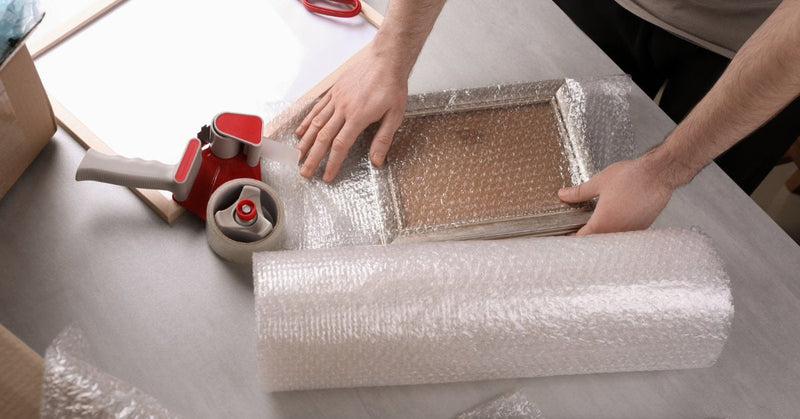
- Bubble rolls provide flexible, air-filled protection for fragile items
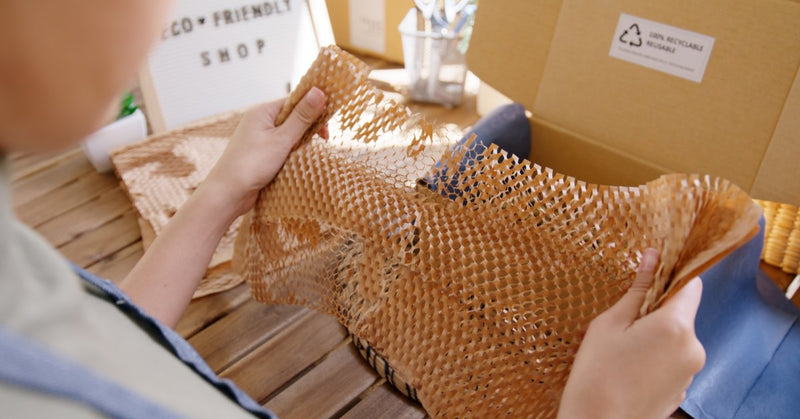
- Honeycomb paper offers eco-friendly cushioning with strong structure
- Foam sheets create a soft barrier against scratches and impact
- Air pillows fill empty space and reduce shifting during transit
- Padded mailers combine cushioning and outer protection in one layer
Mailers That Protect Items
Mailers offer a streamlined way to ship without bulky packaging. They work especially well for smaller or non-fragile products that still need a layer of protection. With the right choice, you balance durability with efficiency.
Benefits of Bubble Mailers
Bubble mailers include a padded interior that absorbs shock during handling. This added layer protects contents without requiring extra materials inside. They also keep weight lower, which helps control costs while protecting shipments.
Poly Mailers Uses
Poly mailers work well for items that don’t need internal cushioning but still require protection from moisture and dirt. Their lightweight design supports high-volume shipping environments. Many businesses rely on them for clothing or soft goods where flexibility helps during packing.
Protection Against Damage
Shipping exposes packages to a range of conditions. Drops, stacking pressure, and long transit times all introduce risk. Protective materials act as a buffer, helping products arrive in the same condition they left.
Shock Absorption Explained
Shock absorption focuses on reducing the force transferred to an object during impact. Materials like bubble roll and foam spread out that force, lowering the chance of cracks or breaks. This approach works especially well for fragile or high-value items.
Prevent Movement Inside
Movement inside a package creates repeated impact points. Each shift increases the chance of damage over time. Filling empty space with cushioning keeps everything in place, reducing wear during transit.
Shipping Environment Considerations

Shipping conditions change more than many expect, and each stage introduces new variables. Packages move through sorting facilities, delivery trucks, and storage areas where the environment and handling vary. Paying attention to these external factors helps you choose materials that hold up across the entire journey.
Humidity, for example, can weaken certain materials or affect product integrity. Likewise, long transit routes increase exposure to repeated handling, which puts added stress on packaging layers.
When you account for these conditions, you create a setup that adapts to real-world shipping environments instead of reacting to problems later.
Temperature Sensitive Shipping Needs
Some products require stable temperatures during transit. Exposure to heat or cold can affect quality, performance, or safety. Insulated materials help maintain consistent conditions throughout the journey.
Insulated Mailers Purpose
Insulated mailers create a barrier between the product and external temperatures. They reflect heat and slow down temperature changes inside the package. This added control helps protect items that react to environmental shifts.
When Temperature Control Matters
Temperature control becomes critical when shipping sensitive goods like pharmaceuticals or specialty products. Even short exposure to extreme conditions can affect performance. Using the right materials reduces risk and keeps products stable from start to finish.
Eco-Friendly Packaging Options
Sustainability has become part of modern shipping decisions. Many businesses now look for materials that reduce waste without sacrificing performance. Eco-friendly options support both environmental goals and brand perception.
Materials like recycled paper wraps and biodegradable cushioning offer strong protection while limiting environmental impact. These alternatives perform well under pressure and maintain durability throughout transit. As demand grows, more options continue to enter the market, making sustainable choices easier to adopt.
Tools That Improve Efficiency
Efficiency plays a huge role in scaling shipping operations. The right tools reduce packing time and create consistency across shipments. When processes run smoothly, teams can handle higher volumes without sacrificing quality.
Here are tools and materials that streamline daily operations:
- Dispensers for paper wrap speed up packing and reduce waste
- Pre-sized mailers simplify selection and reduce decision time
- Automated cushioning systems create fill material on demand
- Labeling tools improve accuracy and reduce handling errors
- Shrink wrap helps secure bundled items during transit
Choose the Right Supplies
Selecting the right materials depends on what you’re shipping and how far it’s going. Fragile objects need more cushioning, while durable products benefit from lightweight protection. Matching the material to the content improves results right away.
Taking a step back to review your setup can reveal gaps or slow points you might’ve missed. As your needs change, it makes sense to adjust your approach so it keeps up. With the right mix of essential supplies, you create safer handling while shipping your packages through a range of conditions.
Common Mistakes To Avoid
Mistakes in packaging also affect customer trust. Packing too much can increase costs, while not having enough protective material increases the chance of damage. Finding the right balance leads to better outcomes.
Another issue comes from using mismatched materials. For example, fragile items without proper cushioning face higher risk during transit. Paying attention to material compatibility helps avoid preventable problems and keeps shipments consistent.
Every shipment reflects the care you put into your process. Choosing the right materials, tools, and approach creates a smoother experience from packing to delivery. When you’re ready to refine your setup, consider partnering with Wrapama, known for reliable protective solutions and hands-on support. Explore your options, upgrade your approach, and start packing with confidence today.
Tips, guides, and subscriber-only deals. One email at a time.


Join our newsletter now!
Register now and get our latest updates and promos.
