


Shipping a temperature-sensitive product adds another concern to an already busy fulfillment process: what happens inside the package after it leaves your hands? Outside temperatures may affect the contents as the package moves through delivery networks. One of the ways that insulated packaging helps is by slowing temperature changes inside the package, giving you greater control during typical transit conditions. That added protection can help you maintain product quality without making packing unnecessarily complicated.
Slow Down Temperature Changes
When you ship temperature-sensitive goods, insulation creates a barrier that slows heat transfer between the package interior and the surrounding environment. It doesn’t make the shipment immune to outside temperatures, but it can slow the rate at which the contents warm up or cool down. As a result, your product gets added protection as conditions change during transit.
The amount of protection you need depends on the product and expected shipping conditions. A short local shipment may need less protection than a package traveling farther or spending hours in a delivery vehicle. You’ll get better results when you choose insulation based on the actual journey rather than assuming every shipment needs the same setup.
Protect Against Outside Conditions

Weather isn’t the only source of temperature exposure during shipping. A package can pass through warm loading areas or spend time in vehicles with different temperature conditions.
Insulated packaging helps gives you a practical approach to maintaining product quality when temperature exposure could affect a shipment. You still need to account for transit time and product requirements because insulation works as part of the packing process rather than as a guarantee.
Keep these considerations in mind when planning a shipment:
- Check the expected temperatures along the shipping route
- Match insulation strength to the anticipated transit time
- Limit unnecessary space inside the package
- Keep the product’s storage requirements in mind
- Review your packing approach as seasonal conditions change
Account for Seasonal Shifts
A packing method that works well in mild weather may need adjustment when summer heat arrives. Likewise, colder conditions may change the type or amount of protection that makes sense for a particular shipment. Reviewing your setup as seasons change helps you avoid treating insulation as a set-it-and-forget-it decision. You can then adjust protection based on the conditions your shipments will encounter.
Support Cooling Materials
Insulation becomes particularly useful when you pair it with the appropriate cooling material for products that require lower temperatures. The insulated layer slows heat transfer into the package, helping the cooling material work within a more stable environment. As a result, you can choose the amount of cooling material based on the product’s needs instead of simply adding extra coolant and hoping for the best.
You’ll still want to choose cooling materials according to the product’s requirements and expected travel time. Adding more cooling material without considering placement or insulation doesn’t automatically create a better package. When each component has a clear purpose, your team can repeat the packing process more consistently.
Choose Practical Insulated Formats
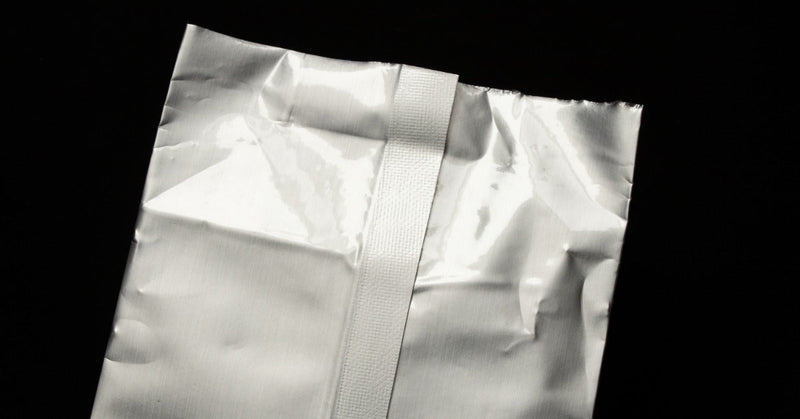
You don’t always need a bulky setup to add thermal protection. Foil mailers are insulated shipping mailers that typically use a reflective outer layer with an insulating interior to slow heat transfer around the contents. Their lightweight format can work well when the product doesn’t require rigid packaging. You should still evaluate the required temperature range and transit conditions because the mailer’s performance depends on the complete packing setup.
Reduce Temperature Exposure
Shipping conditions aren’t always predictable. Delays or longer handling periods may increase the amount of time a package spends exposed to the surrounding environment. Insulation helps limit that exposure by slowing heat transfer through the package.
A few packing habits can help you manage that exposure, such as:
- Selecting insulation that fits the shipment closely
- Following consistent packing steps across similar orders
- Positioning cooling materials according to product needs
- Avoiding large, unprotected gaps around contents
- Reassessing packaging when shipping conditions change
Pay Attention to Fit
You’ll get more value from insulated packaging when its size suits the contents. Excess interior space may make temperature management harder because there’s more air inside the package to account for. A closer fit also helps you use insulating and cooling materials with greater purpose instead of filling an oversized package.
Preserve Arrival Condition

Customers judge a shipment by what they receive, not by what it looked like when it left your facility. If temperature exposure changes a product’s condition along the way, careful packing at the warehouse won’t mean much at the door. Insulated packaging helps protect that condition by slowing heat transfer during transit.
That consistency can support smoother fulfillment as well. When you develop a packaging setup around realistic transit conditions, your team has a clearer process to follow for similar orders. Consequently, insulated packaging becomes part of a repeatable shipping routine rather than a last-minute adjustment when conditions change.
Match Protection to Transit
You don’t need to treat every temperature-sensitive shipment the same way. Shipping distance and expected handling time affect the amount of thermal protection that makes sense. An overnight shipment may need a different level of protection than one spending several days in transit.
You should also consider where the shipment is headed. Regional temperatures may differ sharply from the conditions outside your own facility, so checking the destination helps you pack for the full trip.
Make Packing More Consistent
A reliable insulated packaging process gives your team a clear standard for recurring shipments. Your team spends less time improvising when everyone knows which packaging format fits a particular product and shipping situation. A repeatable setup also makes it easier to recognize when changing conditions call for an adjustment.
Consistency doesn’t mean using the same materials year-round. Instead, you can create a basic packing method and adjust the level of thermal protection when conditions require it. That flexibility keeps everyday fulfillment practical while giving temperature-sensitive products the protection they need.
Keep Protection Practical
The right level of insulation depends on the conditions your products will face in transit. Matching your packaging to those conditions helps you protect the product without making the packing process more complicated than necessary.
Wrapama offers insulated packaging in different formats and sizes, so you can choose an option that fits naturally into your regular shipping process. When your current setup needs an update, check out Wrapama’s available options and take advantage of free shipping to make stocking up a little simpler.
Tips, guides, and subscriber-only deals. One email at a time.

Join our newsletter now!
Register now and get our latest updates and promos.
