


Temperature is bound to change at the most inconvenient moment during shipping. Your package might leave the warehouse on a cool morning, spend the afternoon in a warm delivery truck, and arrive somewhere with completely different weather. Once you understand the way that thermal works, you'll see why businesses rely on it to help protect temperature-sensitive items through every stage of transit. That extra layer of preparation helps you ship with more confidence instead of crossing your fingers and hoping for the best.
Why Temperature Stability Counts
You probably think about bumps on the road and packages dropping before the heat or cold come to mind. However, temperature changes create problems that aren't always visible until the package reaches its destination. A product may appear fine on the outside, but its quality has deteriorated internally due to prolonged exposure to unfavorable conditions.
Shipping routes can also be unpredictable. Packages move through trucks, warehouses, loading docks, and delivery vehicles that all expose them to changing weather. Therefore, reliable thermal protection helps reduce those temperature swings while giving your shipment a steadier environment throughout its journey.
Everyday Temperature Challenges
Even a short shipment experiences changing conditions throughout the day. Morning chill can quickly turn into afternoon heat, while direct sunlight raises temperatures much faster than you might expect. As a result, your packaging needs to be resilient enough instead of relying on ideal weather.
What Thermal Packaging Does

Thermal packaging works by slowing the transfer of heat between the outside environment and the contents inside. Rather than allowing outside temperatures to change the product immediately, insulating materials create a protective barrier that helps maintain a more consistent internal temperature. That extra time becomes valuable while a shipment moves through each delivery stage.
Several packaging materials accomplish this goal in different ways. Reflective layers redirect radiant heat, while insulating materials reduce heat transfer through the package walls. Together, they help create a controlled environment that protects your products during transportation without relying entirely on refrigerated shipping.
Reflective Materials at Work
Reflective liners play an important role because they bounce radiant heat away from the package instead of absorbing it. That simple principle helps reduce temperature changes during warmer conditions. Meanwhile, the insulation underneath continues to reduce heat movement from every direction.
Products That Benefit
Some shipments require much tighter temperature control than others. Pharmaceutical supplies, specialty cosmetics, and certain industrial products all perform better when they remain within recommended temperature ranges. Shipping them without proper protection introduces unnecessary risk before the package reaches its destination.
You don't always need refrigerated transportation to protect these products. Instead, the right combination of insulation and cooling materials supports many shipments during normal transit times. Consequently, businesses gain additional flexibility while maintaining product quality.
Before selecting packaging, keep these considerations in mind:
- Consider the expected outdoor temperatures throughout the shipment
- Estimate how long the package will remain in transit
- Match insulation thickness with the product's temperature needs
- Account for storage conditions during transportation
- Review seasonal weather before preparing shipments
Choose The Right Materials
Temperature control solves one part of the shipping equation, but physical protection deserves just as much attention. A shipment that stays cool still needs to arrive without dents or broken components after moving through multiple handling points. Looking at both challenges together helps you build a more dependable packaging strategy.
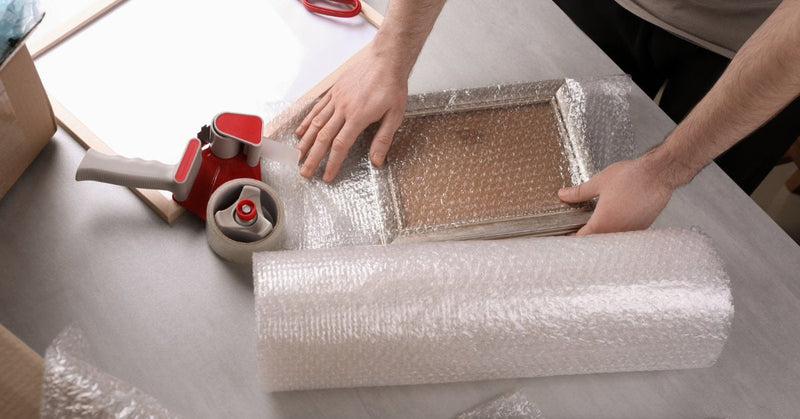
That's where bubble mailers fit into the picture. They cushion lightweight and fragile products during transit, making them a practical choice when impact protection matters. Although they don't replace insulated packaging for temperature control, they complement it by protecting products against the everyday bumps that happen during shipping.
Smart Planning Pays Off
Choosing insulation alone doesn't solve every shipping challenge. You also need to think about transit time, seasonal weather, and the amount of time a package may spend waiting between delivery stops. That bigger picture helps you match your packaging to real shipping conditions instead of making educated guesses.
Transit Time Makes a Difference
A shipment traveling overnight faces different conditions compared to one that spends several days in transit. Longer travel windows expose products to changing temperatures for extended periods. Therefore, planning around delivery schedules gives you another layer of protection before the package leaves your facility.
Common Shipping Mistakes

Many shipping problems start long before the carrier picks up the package. Rushing through the packing process or choosing insulation that doesn't match the shipment creates unnecessary challenges during transit. Thankfully, a little planning usually prevents those situations without adding much extra work.
Once you understand thermal packaging and temperature-sensitive items, choosing suitable protective materials becomes much easier. Instead of reacting after products arrive damaged, you create a shipping process that supports consistent results throughout the year.
Here are a few habits that help improve shipment protection:
- Leave enough room for insulation to work properly
- Choose cooling materials that match the expected transit time
- Pack products securely to reduce unnecessary movement
- Consider seasonal weather before selecting packaging
- Review shipping methods as temperatures change throughout the year
Pack With Consistency
You don't need to reinvent your shipping process every week. Instead, create a packing routine that your team follows every time similar products ship. That consistency helps reduce mistakes while making training much easier as your business grows.
Confidence In Every Shipment
When you understand what happens during transit, packaging decisions are much easier to make. Instead of hoping the weather cooperates, you prepare for changing conditions before the shipment begins its trip. That proactive approach supports better outcomes while reducing unnecessary surprises.
Customers value receiving their products in the expected condition. A shipment that arrives with stable temperatures demonstrates careful preparation and attention to detail. Over time, these positive experiences build customer confidence with every successful delivery.
Shipping always includes a few unknowns, but your packaging doesn't have to leave everything to chance. A thoughtful approach helps protect valuable products while supporting smoother deliveries throughout the year. If you're looking for reliable, insulated packaging solutions, Wrapama offers practical options backed by responsive support and free shipping. Check out our thermal packaging products and choose the solution that fits your next shipment with confidence.
Tips, guides, and subscriber-only deals. One email at a time.


Join our newsletter now!
Register now and get our latest updates and promos.
