


Shipping environments expose packages to rough handling constantly. Without proper cushioning, sensitive products absorb every shock directly. Understanding how air bubble packaging protects fragile items helps businesses and consumers make smarter packaging decisions before damage occurs.
Conditions During Transit
Most fragile items fail because of repeated impact rather than one dramatic accident. Constant movement inside a box increases stress on weak points.
Pressure also creates problems quickly. Heavy packages stacked on top of lighter boxes compress contents during shipping. Without cushioning layers, pressure transfers directly onto the product itself.
Temperature shifts and vibration add another layer of risk. Long-distance shipping exposes packages to hours of movement across roads, loading docks, and delivery vehicles. Small vibrations repeated thousands of times weaken fragile products significantly.
The Science Behind Air-Filled Cushioning

Air acts as a natural shock absorber. When impact occurs, trapped air disperses force instead of transferring it directly onto the item. Protective packaging materials use sealed air pockets to spread pressure across a wider surface area.
Each pocket compresses slightly under stress. Instead of concentrating energy on one spot, the material redistributes impact throughout the packaging layer. Fragile items stay suspended within protective cushioning instead of colliding against hard surfaces.
Flexible cushioning also adapts to different product shapes. Unlike rigid fillers, air-based packaging wraps around curved edges and uneven surfaces. More coverage means fewer exposed pressure points during transportation.
Cushioning Reduces Movement Inside the Box
Empty space creates one of the biggest shipping risks. Products shift repeatedly when packages contain gaps or loose placement. Every movement increases the chance of scratches or complete breakage.
Protective cushioning limits internal motion by stabilizing products within the package. A properly packed item remains secure during transport rather than sliding across the box interior. Reduced movement means fewer collisions against box walls or neighboring items.
Businesses shipping multiple fragile products together benefit from layered protection. Packaging materials separate items while maintaining stability throughout transit.
Product Positioning Matters
Placement inside the box changes protection levels dramatically. Fragile items need cushioning around every vulnerable area. Proper spacing prevents pressure from concentrating in one direction.
Effective packaging setups include:
- Cushioning beneath the product to absorb downward impact
- Protective layers around exposed components
- Interior stabilization
- Consistent spacing between multiple products
Lightweight Protection Helps Lower Shipping Costs
Heavy protective materials increase shipping expenses quickly. Shipping carriers calculate costs partly through package weight, so inefficient protection affects profit margins.
Air-filled packaging provides strong protection without excessive mass. Businesses maintain safety standards while reducing transportation expenses. Lower package weight also improves handling efficiency throughout warehouses and delivery systems.
Consumers benefit as well. Lightweight packages reduce strain during unpacking and storage. Shipping companies also consume less fuel when transporting lighter loads across long distances.
Fragile Products and Protection Levels
Not every item faces the same risks. Thin glassware requires different protection than electronics or framed artwork. Packaging strategies work best when matched carefully to the product’s vulnerabilities.
Small electronics benefit from layered cushioning that prevents vibration damage. Glass products require thicker surrounding barriers because sharp impacts create immediate fractures. Cosmetic containers need surface protection to avoid leaks and cracked lids.
Artwork and collectibles demand careful edge protection because corners absorb pressure first. Medical equipment often requires stable cushioning that prevents movement while maintaining sterile packaging conditions.
High-Risk Shipping Situations
Certain shipping environments increase damage risk substantially. Long-distance transportation exposes products to more loading stages and extended vibration. International shipments encounter repeated inspections and transfers between facilities.
E-commerce businesses also face increased handling frequency. Packages move through sorting systems and residential delivery routes rapidly. Protective packaging becomes more important as handling volume rises.
Businesses shipping fragile goods regularly analyze shipping routes and storage environments to improve packaging strategies effectively.
Air Cushioning Protects Surface Quality
Fragile products don’t need complete breakage to create customer dissatisfaction. Scuffed finishes and dented surfaces still damage brand reputation.
Protective cushioning creates separation between surfaces during transit. Products avoid rubbing against cardboard or neighboring items. Delicate finishes remain cleaner and more professional upon arrival.
Luxury brands pay particular attention to this issue. High-end cosmetics, jewelry, electronics, and decorative items rely on presentation quality heavily. Surface damage reduces perceived value immediately, regardless of whether the product still functions.
Packaging Efficiency Improves Warehouse Operations
Protective materials influence more than shipping safety alone. Storage efficiency and packing speed also improve when businesses choose practical cushioning systems.
Flexible protective materials adapt to multiple product sizes without requiring custom inserts for every shipment. Warehouse teams pack products more efficiently because cushioning materials wrap quickly around varying shapes and dimensions.
Storage becomes easier as well. Compact packaging materials occupy less warehouse space compared with bulky protective fillers. Businesses maintain better inventory organization while reducing operational clutter.
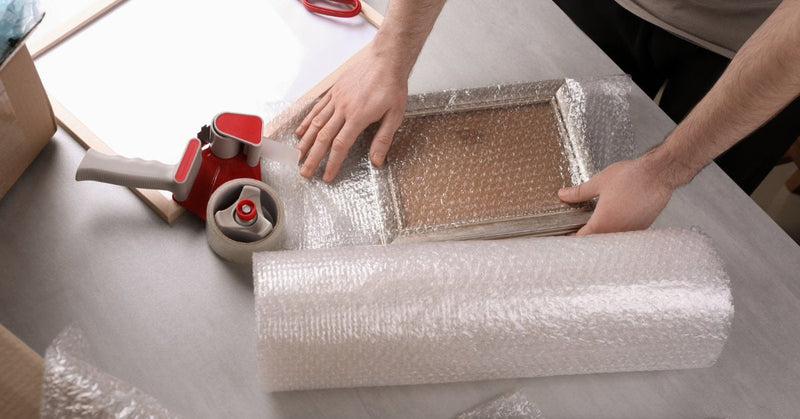
One well-placed layer of bubble roll around delicate products can improve cushioning consistency without adding unnecessary package weight.
Environmental Considerations Continue to Shape Packaging Choices

Consumers pay closer attention to packaging waste today. Businesses now balance protection needs with sustainability goals more carefully than before. Packaging materials continue evolving to address both priorities simultaneously.
Recyclable materials and lighter shipping weights all support more efficient shipping practices. Businesses also minimize waste by selecting packaging sizes more accurately for each product.
Damage reduction itself contributes to sustainability. Broken products require replacements and increased manufacturing demand. Effective protection lowers waste throughout the shipping process.
Smarter Packaging Decisions Reduce Long-Term Costs
Businesses sometimes underestimate the financial impact of damaged shipments. Replacement products, shipping claims, and reputation damage add up rapidly.
Investing in proper protection reduces those recurring expenses. Reliable cushioning improves customer satisfaction while lowering operational disruption. Customers also develop greater trust in businesses that deliver products consistently in excellent condition.
Reliable Packaging Support
Protective shipping materials play a bigger role in customer experience than many businesses realize. When products arrive safely, customers trust the brand more and feel confident ordering again. Strong packaging also sends a message that a company pays attention to quality and cares about the condition of every shipment.
Air bubble packaging gives businesses a more reliable way to protect fragile items during shipping. The cushioning helps absorb impact and keep products safer through different handling and transit conditions.
Wrapama offers packaging solutions for businesses shipping delicate products across retail, e-commerce, industrial, and commercial environments. If your shipments need better protection without adding unnecessary bulk, it may be time to rethink your packaging setup and improve the way your products arrive at their destination.
Tips, guides, and subscriber-only deals. One email at a time.

Join our newsletter now!
Register now and get our latest updates and promos.
